


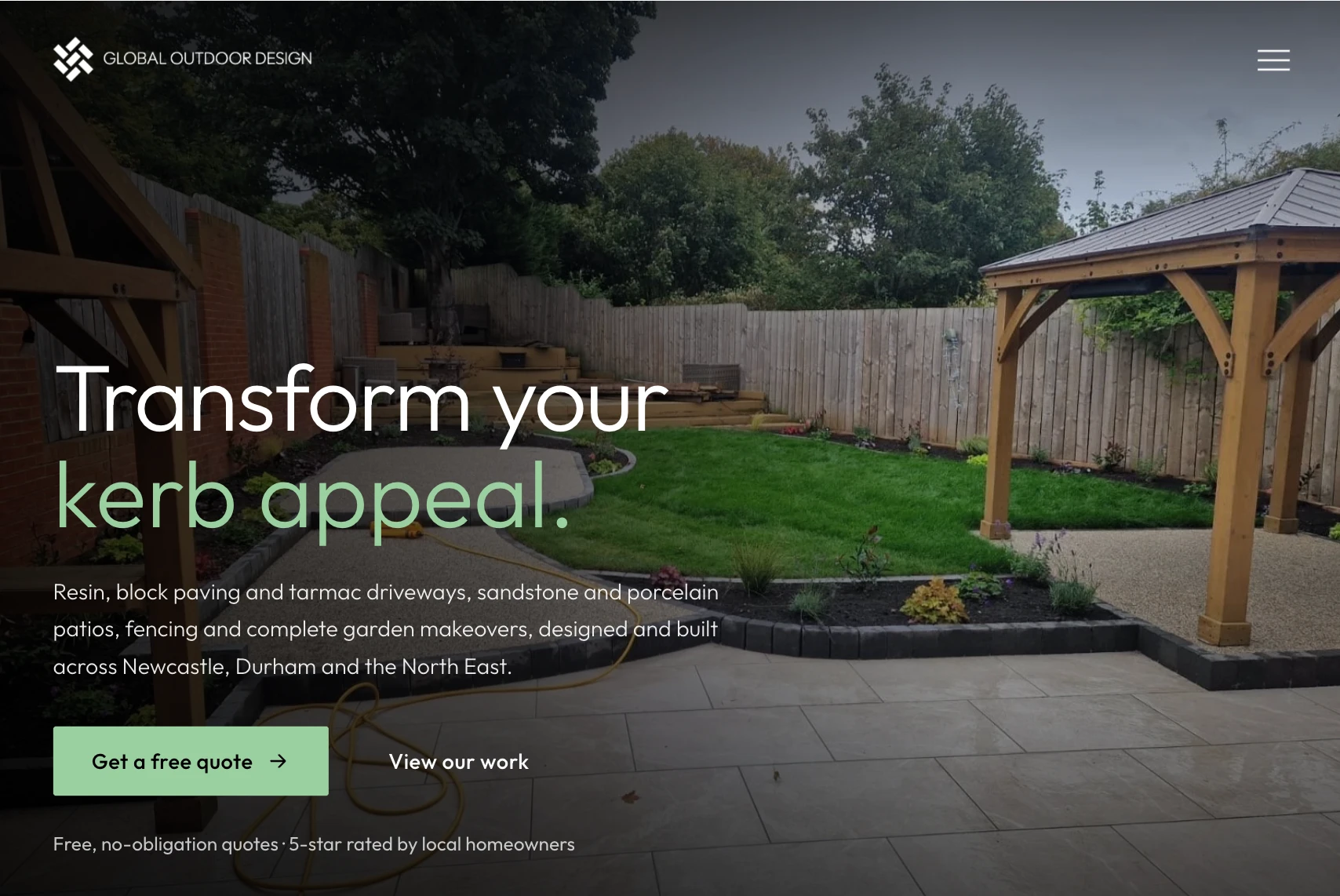
 Website and brandingDriveways, patios and garden makeovers across the North East.
Launching soon
Website and brandingDriveways, patios and garden makeovers across the North East.
Launching soon

Content marketing
Every brief starts with the search, not with a word count. We map what people are really asking around a topic, structure the page to answer it in the order they ask, and write it so it reads like a person wrote it, because that is what keeps ranking.
Blog posts, landing pages, buying guides, comparisons and case studies. SEO copywriting that is briefed before anyone writes a word, and refreshed before it decays.
Content

Why it's worth it
This is the argument for content, and it's the one that takes patience to believe. The pages written eighteen months ago are still bringing people in this month, for nothing. That's the opposite of paid, where traffic stops the day the budget does. It's also why the first three months feel like nothing is happening, and why the businesses that quit at month four never see the part that makes it worthwhile.
What we can help you with
Which topics are worth writing, chosen by what the searcher is trying to do rather than by volume. We'll show you the working.
The query, the intent, the questions in the order they're asked, a length taken from what currently ranks, and the links it has to carry.
Answer in the first eighty words. Structured to be skimmed and still make sense. One clear action. Written for the person.
Posts that target the questions your customers ask before they buy, each one briefed from what already ranks.
The pages that sell, written around one intent each, with titles, headings and schema pointing the same way.
Different jobs, written differently. A comparison page for someone about to spend is not a buying guide for someone still learning.
Pages decay from about month eight. A refresh costs a fraction of a new piece and usually recovers more traffic than a new one would win.
Three links from every piece to the pages that sell, so the traffic a post earns has somewhere to go.
Traffic, enquiries and position per page, every week, so you can see which pieces earn and which are quietly dying.
01. What we write
A buying guide and a comparison page are not the same thing and should never be written the same way. This is one client's library over the last 30 days.
| Page | Traffic | Enq | Pos |
|---|---|---|---|
| Smart heating, explainedwhat is smart heating | 4,180 | 6 | 1 |
| What a full install actually costssmart heating cost | 2,960 | 41 | 2 |
| Grants you can still claimheating grants uk | 3,410 | 28 | 3 |
| Heat pump or combi, honestlyheat pump or combi boiler | 1,870 | 33 | 2 |
| Why your radiator is cold at the bottomradiator cold at bottom | 5,240 | 9 | 1 |
02. Right topic, wrong intent
Both of these pages rank. Only one is written for somebody who is about to spend money. The first gets six and a half times the traffic and a twelfth of the enquiries. Ranking is just how you get in front of the right person.
03. Your best page is dying quietly
A page peaks around month eight, then loses perhaps 3% of its traffic a month, slowly enough that nobody notices. Competitors published something newer, the facts aged, the search shifted. A refresh costs a fraction of a new piece and usually recovers more than a new piece would have won.
How we work
Publishing more is the easiest thing to sell and the least likely to work. Everything here happens before volume.
Most sites we take on are already sitting on pages that could rank and don't. We inventory everything, measure what each piece actually earns, and separate the ones worth refreshing from the ones worth merging or deleting. Thin pages competing with each other for the same query are a common and completely fixable problem.
A page can rank first for a term with four thousand searches a month and produce almost nothing, while a page ranking third for six hundred fills your diary. We prioritise by what the searcher is trying to do, and we'll show you the working, including when the honest answer is that a topic isn't worth writing about.
The query, the intent behind it, the questions that must be answered and in what order, a length taken from what currently ranks rather than invented, and the internal links it has to carry. Nearly every piece of content that fails, fails here.
Answer in the first eighty words. Structure so it can be skimmed and still make sense. One clear action. No throat-clearing introduction about how important the topic is. Search engines have spent years getting better at spotting content written for search engines, and the defence has always been the same: write for the person.
Published is not finished. Pages decay from about month eight, and a refresh usually recovers more traffic than a new piece would have won, for less than the cost. Part of every month goes on updating what's already live, which is the part almost nobody budgets for.










The content audit costs nothing. If you go ahead, we price the work monthly against the number of briefs, pieces and refreshes in the plan, and you'll see the number before you commit to anything.
Refreshing existing pages moves things within a month or two. New pieces take longer, often three to six months to settle, and then keep earning. The businesses that quit at month four never see the part that makes it worthwhile.
We use tools for research and structure, and a person writes and edits every piece. Search engines have got very good at spotting content written for search engines, and so have your customers.
You do. Every page is published on your site, in your name, and stays yours if you ever leave.
No long tie-ins. We work month to month, because an agency that has to keep earning your business tends to behave better than one that doesn't.
Yes. We're based in Newcastle and most clients are nearby, but we run work across the UK, in Spain and in the US already. Remote-first, on site when it actually matters.
Our work
 Website and local SEOHeating and air conditioning engineers across London and the South East.
Explore
Website and local SEOHeating and air conditioning engineers across London and the South East.
Explore
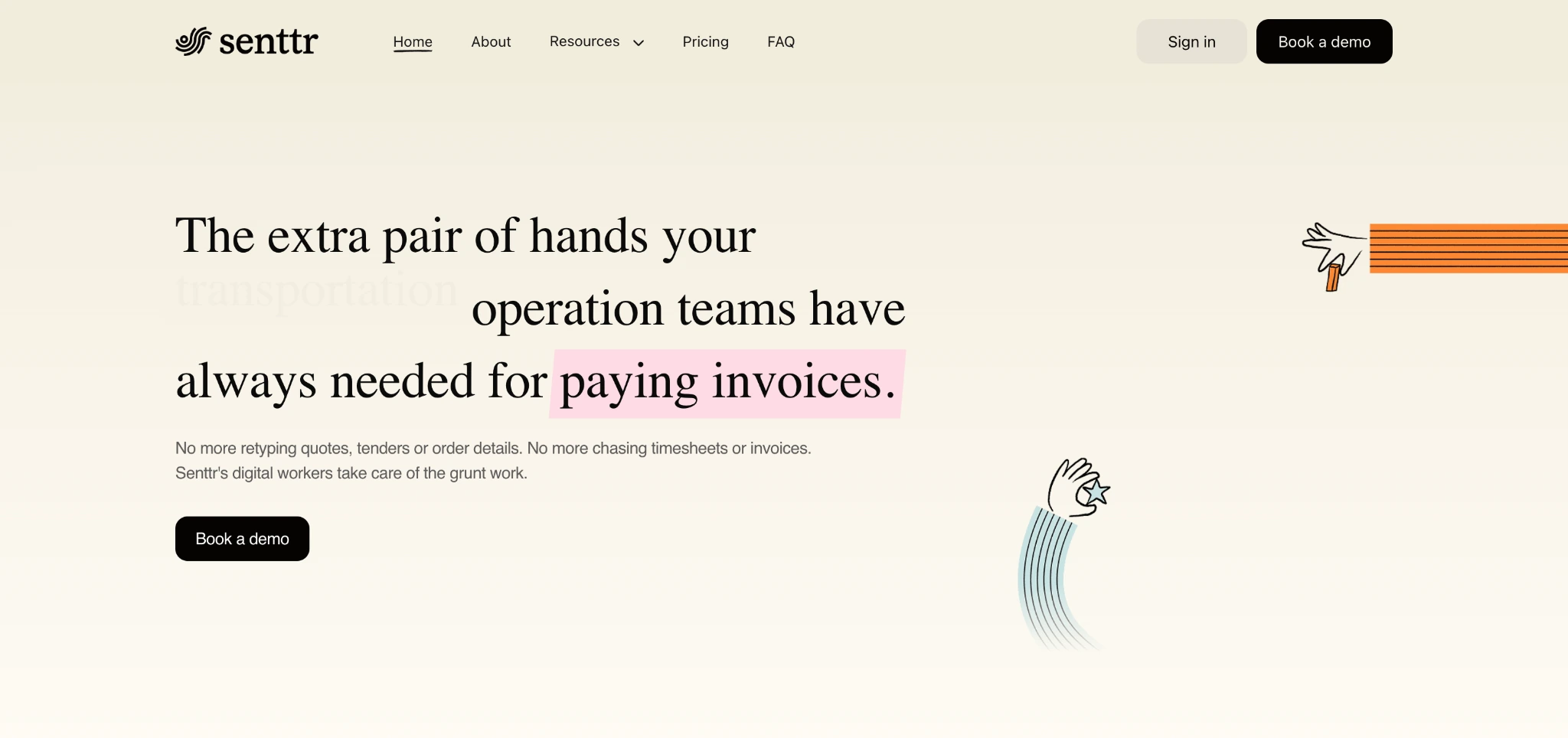 Website and product marketingDigital workers for operations teams, explained in one scroll.
Explore
Website and product marketingDigital workers for operations teams, explained in one scroll.
Explore
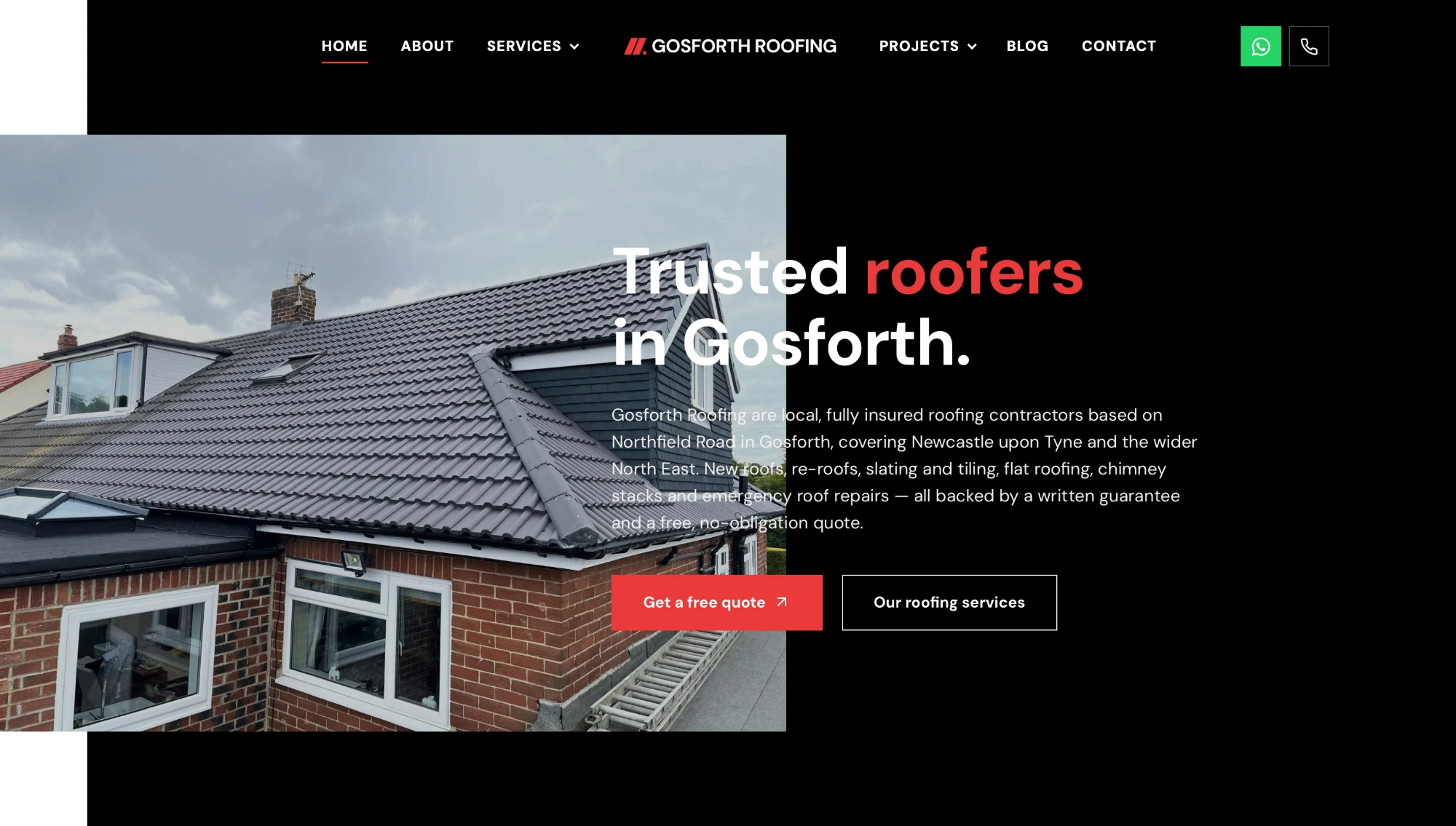 Website and local SEOTrusted roofers in Gosforth, found first on Google.
Explore
Website and brandingDriveways, patios and garden makeovers across the North East.
Launching soon
Website and local SEOTrusted roofers in Gosforth, found first on Google.
Explore
Website and brandingDriveways, patios and garden makeovers across the North East.
Launching soon
The rest of it
Almost every other channel is downstream of having something worth reading. This is where that gets made.
Decides which pages are worth writing. Content is how the SEO roadmap actually gets built.
Tells us which messages convert before we commit a quarter to ranking for them.
Briefed from what already ranks, written for the person, and maintained after publishing.
A slow page loses the reader before the first paragraph, however good the writing is.
One long piece cuts into a month of posts, so the same research pays twice.
The thing worth subscribing for, and the material every newsletter is cut from.
Start here
Send us the domain and we'll come back with which of your existing pages are decaying, which are competing with each other, and the five briefs we'd write first, before you've committed to anything.