

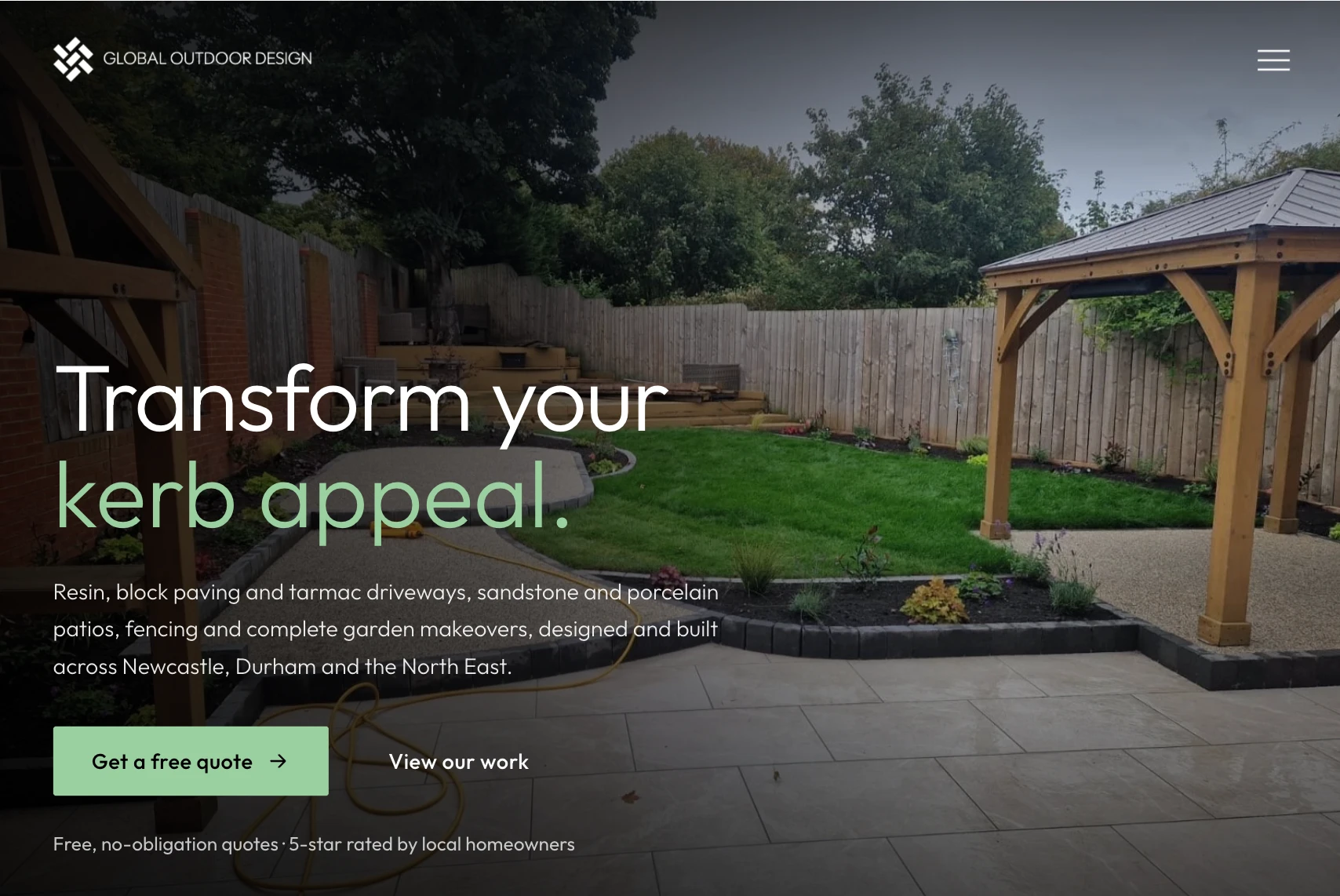
 Website and brandingDriveways, patios and garden makeovers across the North East.
Launching soon
Website and brandingDriveways, patios and garden makeovers across the North East.
Launching soon

PPC agency, Newcastle
Clicks are easy to buy. We're interested in what happens after the click, so every campaign is tied to revenue in your analytics, not to impressions, and you can see exactly what each pound returned before you're asked to spend the next one.
Google Ads, Shopping, Performance Max, Meta and LinkedIn, managed daily from Newcastle in an ad account that stays in your name.
PPC

How it actually works
Google doesn't rank ads by bid. It ranks them by Ad Rank, which is roughly your bid multiplied by how relevant your ad and landing page are. So a competitor bidding £3.50 with a mediocre landing page loses to you bidding £2.60 with a good one, and you pay less per click than they would have. Quality is a direct discount on every click you buy, which is why we rebuild landing pages as part of the campaign.
What we can help you with
Search, Shopping and Performance Max, structured so the platform can learn and bid to the outcome you actually sell.
Each platform earns its budget separately and is judged on the same thing: what came back.
Rebuilt in week one, with revenue values passed back, so every decision after it is based on numbers you can trust.
Search terms, negatives, placement and audience exclusions. Most accounts we inherit are paying for jobs, courses and DIY searches.
Built for the ad that sent you there. The cheapest way to lower your cost per click and the one most agencies treat as somebody else's job.
Three angles on the same offer. Performance decides what stays live, not opinion.
Relevance is a direct discount on every click. Better copy and a matching page can cut cost per click by a third.
Impressions, clicks, enquiries and customers, each with a cost, so we know whether to fix the ad, the page or the follow-up.
What cleared your target return and what didn't, in plain English, with both decisions explained.
01. What we run
Each platform earns its budget separately, and each is judged on the same thing: what came back. This is a Google Search account over the last 30 days.
| Campaign | Spend | Conv | CPA | ROAS |
|---|---|---|---|---|
| BrandExact, 4 ad groups | £1,180 | 96 | £12 | 8.4× |
| Emergency calloutPhrase, high intent | £6,420 | 214 | £30 | 6.1× |
| Service + cityExact, 12 locations | £7,240 | 208 | £35 | 4.6× |
| CompetitorExact, conquesting | £3,560 | 94 | £38 | 3.1× |
02. What it returns
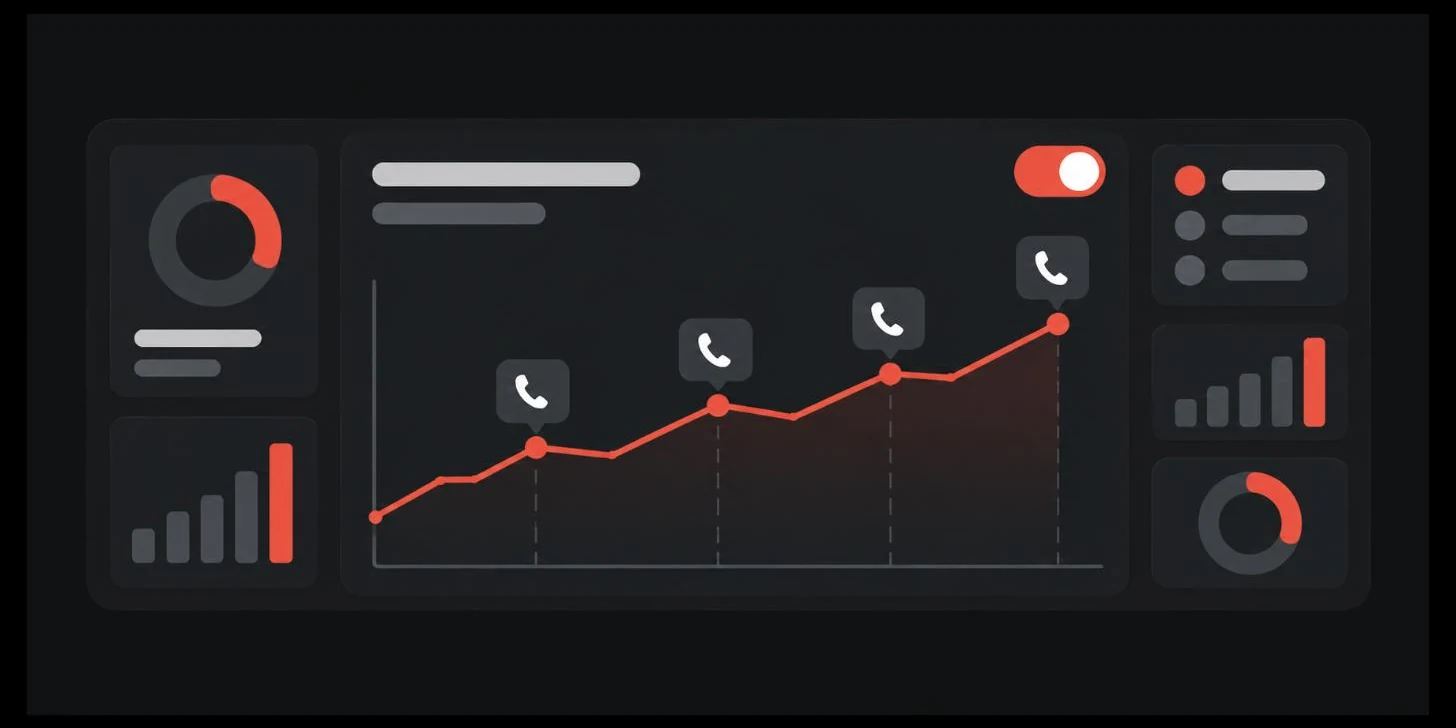
Anyone can grow revenue by spending more. The test is whether the gap between the two lines widens as you scale, because that gap is the only part you get to keep.
03. How it actually works
This is the part most agencies never explain. You pay the next advertiser's ad rank divided by your quality score, so the better the page behind the ad, the less each click costs. Here you beat a £4.10 bid and paid £1.94.
| Advertiser | Max bid | Quality | Ad rank |
|---|---|---|---|
| You | £2.60 | 9 | 23.4 |
| Competitor A | £3.50 | 5 | 17.5 |
| Competitor B | £4.10 | 4 | 16.4 |
| Competitor C | £2.20 | 7 | 15.4 |
How we work
Scaling an account whose tracking can't be trusted just means losing money faster. Measurement comes first.
Most accounts we inherit are counting the wrong things: form views as conversions, duplicate tags firing twice, no revenue value passed back at all. Until that's rebuilt, every optimisation decision is a guess dressed up as data. This is week one, always, and it usually changes the picture of what's working.
Search terms report, negative keywords, placement exclusions, audience exclusions. There is almost always a four-figure sum being spent on people looking for jobs, courses, free advice or DIY instructions. Recovering that costs nothing and funds the first month of proper testing.
Modern bidding is machine-driven, and machines need signal. Split a campaign too finely and no segment gets enough conversions to learn from. Leave it too broad and you lose control of where budget goes. We consolidate where signal is thin, separate where control matters, and bid to the outcome you actually sell.
Relevance is a direct discount on every click. Better ad copy and a landing page that matches the search can drop your cost per click by a third while improving position, which is why we rebuild landing pages as part of the campaign rather than treating them as somebody else's job.
You set the return you need. Anything clearing it gets more budget, anything below it gets fixed or turned off, and you see both decisions in a weekly report written in plain English. We'll also tell you when an account is at its ceiling. Every market has one, and spending past it is how good campaigns get ruined.










The account audit costs nothing. If you go ahead, we price the management monthly against the work in the plan, separate from your ad spend, and you'll see the number before you commit to anything.
Tracking is rebuilt and waste is cut in the first two weeks, which usually improves the return before any new spend goes in. Proper testing takes a month or two to settle, and we'll tell you when the account is at its ceiling.
Yes. Google Search, Shopping, Performance Max, Meta and LinkedIn. Each platform earns its budget separately and is judged on the same number: what came back.
You do, from day one. We work inside your account, and if you ever leave you keep the campaigns, the history and the data.
No long tie-ins. We work month to month, because an agency that has to keep earning your business tends to behave better than one that doesn't.
Yes. We're based in Newcastle and most clients are nearby, but we run work across the UK, in Spain and in the US already. Remote-first, on site when it actually matters.
Our work
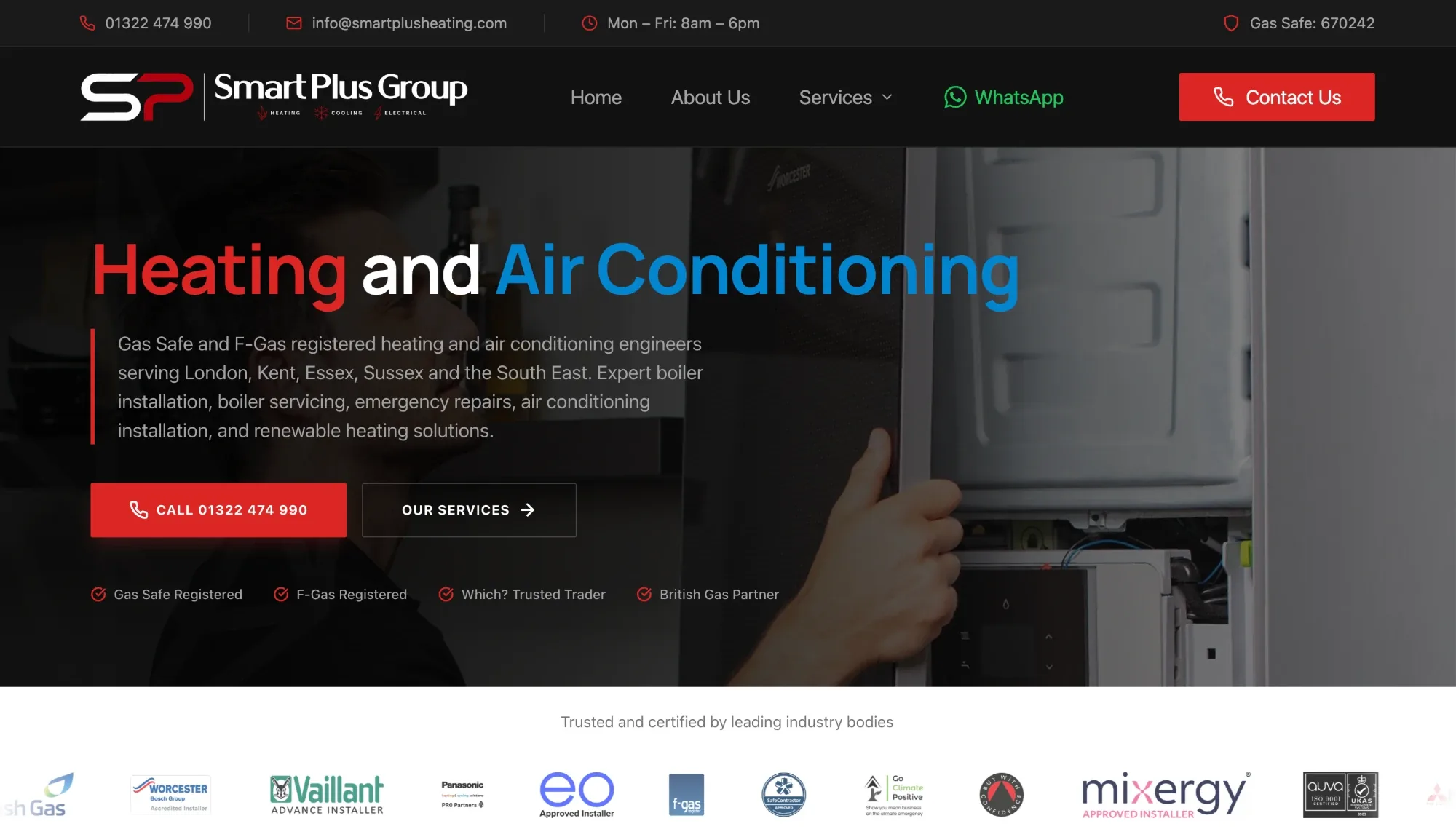 Website and local SEOHeating and air conditioning engineers across London and the South East.
Explore
Website and local SEOHeating and air conditioning engineers across London and the South East.
Explore
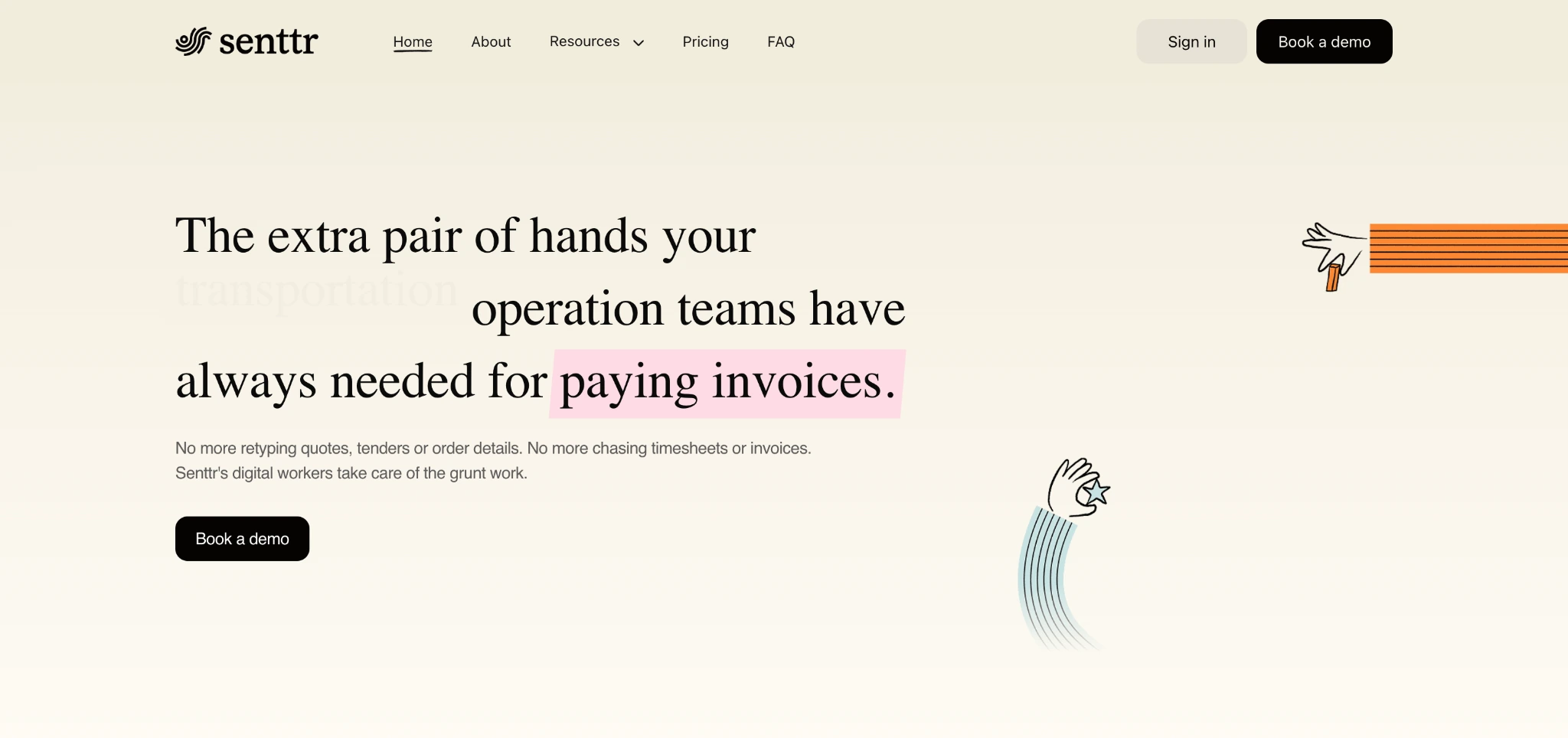 Website and product marketingDigital workers for operations teams, explained in one scroll.
Explore
Website and product marketingDigital workers for operations teams, explained in one scroll.
Explore
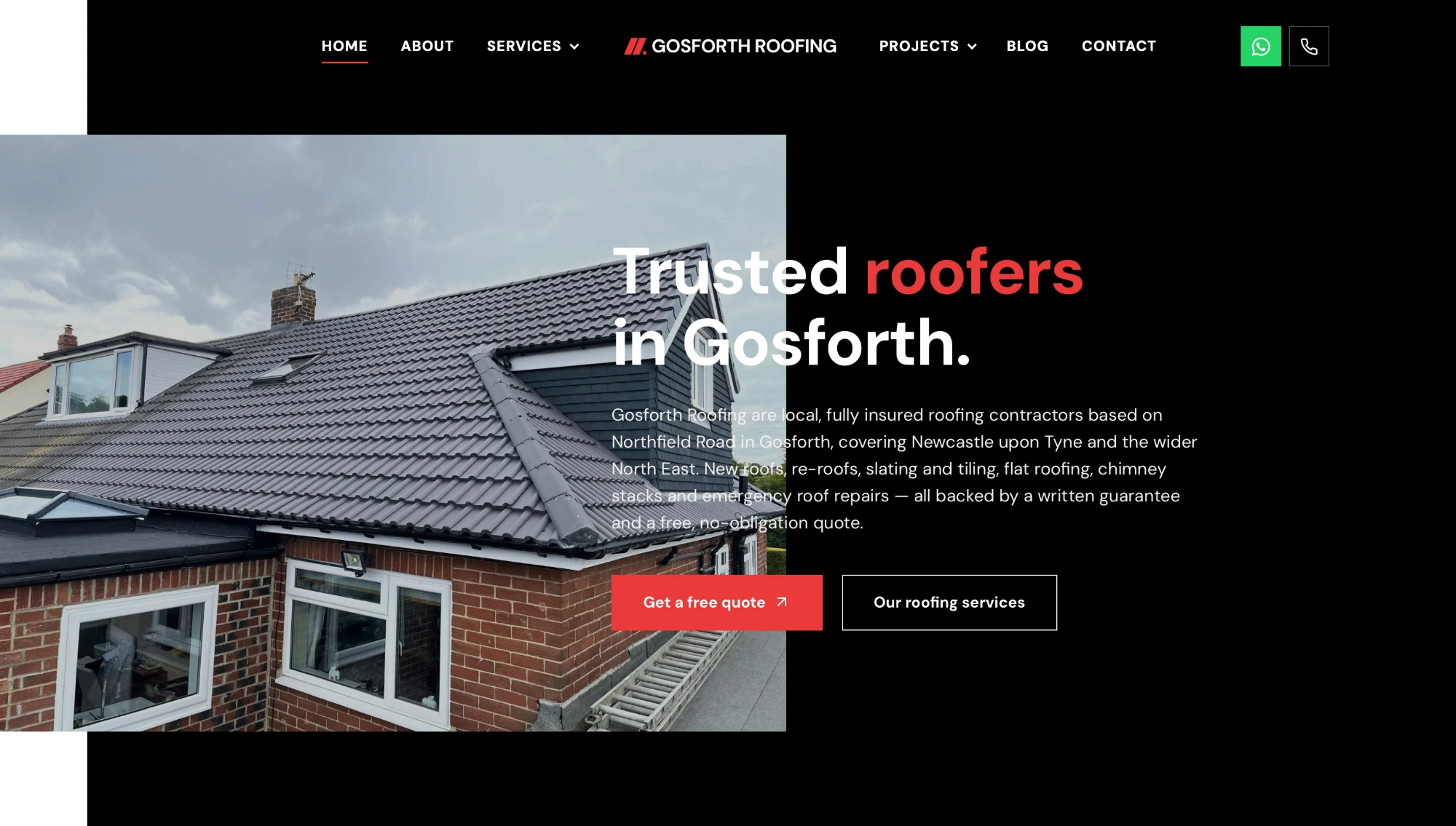 Website and local SEOTrusted roofers in Gosforth, found first on Google.
Explore
Website and brandingDriveways, patios and garden makeovers across the North East.
Launching soon
Website and local SEOTrusted roofers in Gosforth, found first on Google.
Explore
Website and brandingDriveways, patios and garden makeovers across the North East.
Launching soon
The rest of it
PPC is the fastest channel to turn on and the most expensive to rely on forever. These are what we build alongside it.
Takes over the terms paid proved were worth having, so you stop renting the traffic you already know converts.
Google Ads and Meta, managed daily and tied to revenue rather than clicks.
The ad copy, the landing page copy, and the creative angles the testing is run on.
Landing pages built for the ad that sent you there. The cheapest way to lower cost per click.
Organic presence that makes the paid ads work harder. People check before they buy.
Sells to the customer a second and third time, so the acquisition cost you paid once keeps returning.
Start here
Give us read-only access to the ad account and we'll come back with what's being spent on searches that will never buy, what your tracking is getting wrong, and what the account could realistically return, before you've committed to anything.