
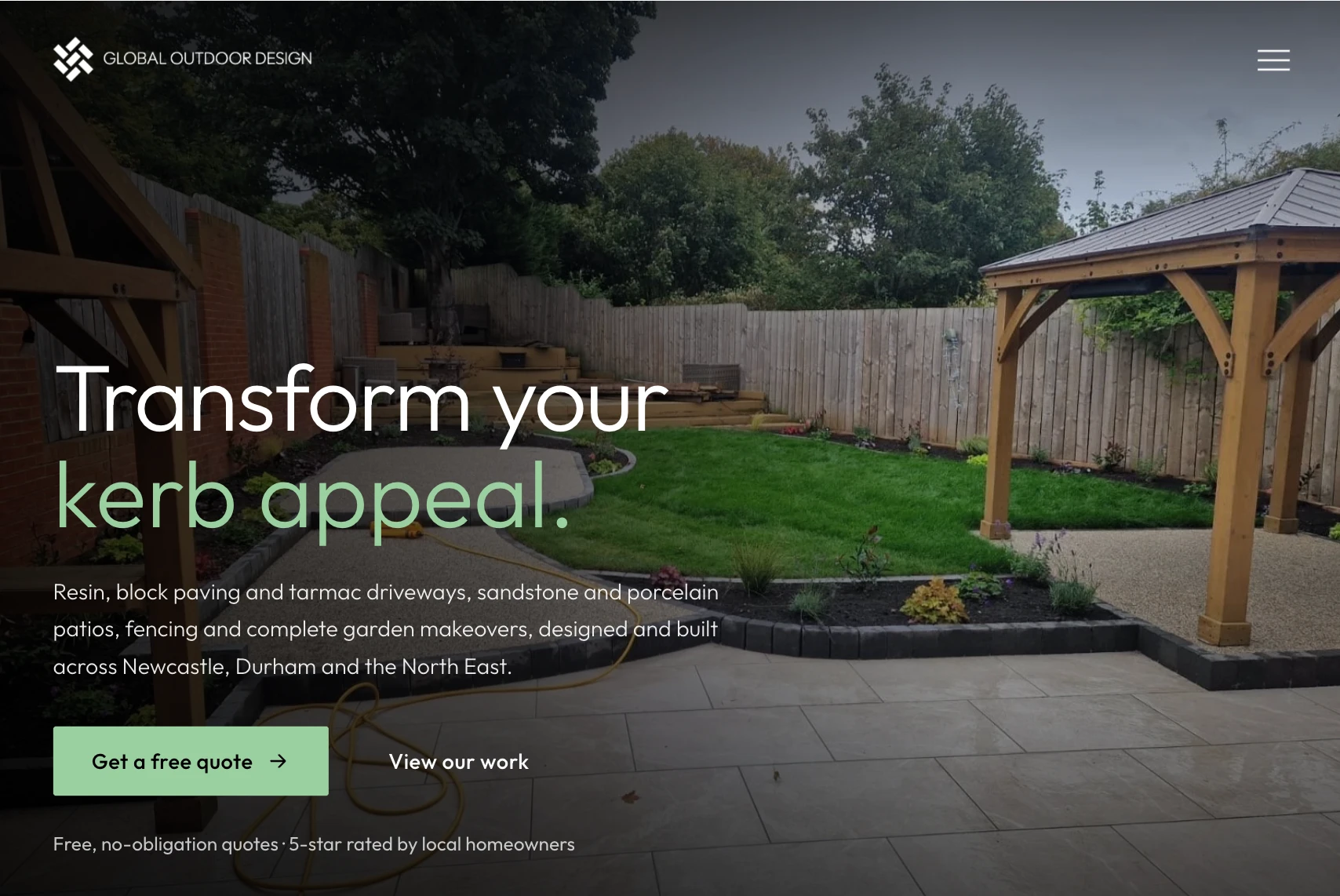
 Website and brandingDriveways, patios and garden makeovers across the North East.
Launching soon
Website and brandingDriveways, patios and garden makeovers across the North East.
Launching soon

Email marketing agency
Every other channel is rented. An algorithm changes and your reach halves overnight. The list is the one audience nobody can take away from you, and for most businesses it's the one being emailed twice a year.
Email automation, Klaviyo and Mailchimp set-up, segmentation and deliverability, with every test settled on revenue rather than opens.

Where the money is
Almost every business does this the wrong way round: a newsletter to the whole list every few weeks, and no automations at all. A flow email earns 26 times what a campaign email earns, because it arrives when the person was already thinking about you. Campaigns still matter. They're how you announce things and stay present. They just shouldn't be the whole strategy, and they're not where the return lives.
What we can help you with
Welcome, abandoned basket, post-purchase, win-back and browse abandon. Built once, earning quietly in the background.
Set up properly, with the events from your site feeding the flows and the revenue passed back.
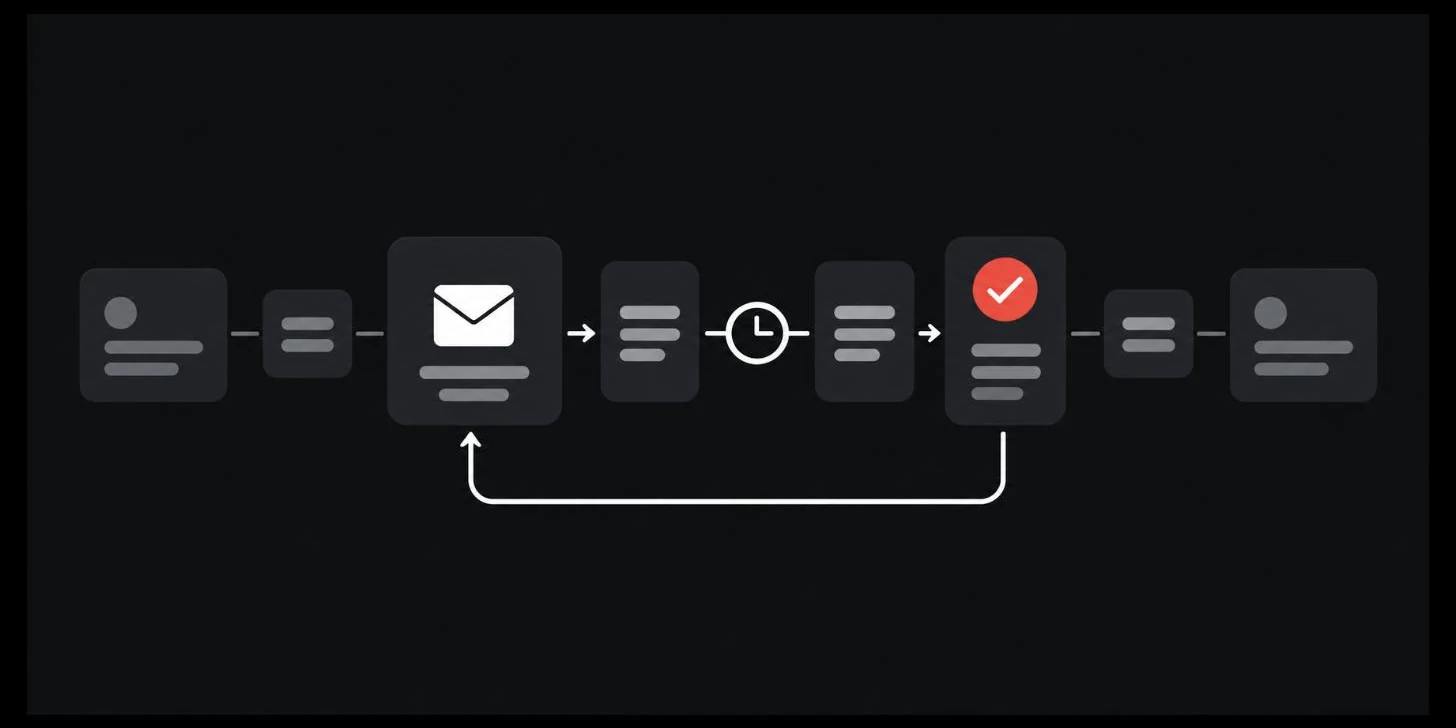
A contact's first 90 days, set up once and walked by every new subscriber without anyone pressing send.
Split by behaviour, lifecycle stage and value, so a repeat customer and someone who signed up yesterday don't get the same email.
SPF, DKIM and DMARC set, bounces and dormant contacts cleaned, so the email reaches the inbox and not the spam folder.
The layer on top of the flows. How you announce things and stay present, written for one action each.
Hold up in Outlook and in dark mode, with one clear action per email.
Settled on revenue, not opens. A curiosity-gap subject line wins the open and loses the sale.
What each flow and campaign returned, every week, in plain English.
01. What we build
These are built once and then earn quietly in the background. No send button, no Monday morning scramble. This is the welcome series for one client, email by email.
| Open | Click | Revenue | |
|---|---|---|---|
| Welcome, and what to expect20 minutes after sign-up | 61.2% | 18.4% | £3,120 |
| The one thing customers get wrongDay 2 | 44.6% | 11.2% | £1,840 |
| First offer, with a reason to actDay 5 | 39.1% | 14.8% | £6,480 |
| Social proof, a job like theirsDay 14 | 33.4% | 8.1% | £2,260 |
02. Where the money is
Flows are four per cent of the emails sent and half the revenue. They go to fewer people, which is exactly why they protect your reputation, and they keep earning with no ongoing send effort.
03. How it actually works
An email that doesn't reach the inbox has a zero per cent open rate no matter how well it was written, and the mailbox providers decide that before anyone sees a word of it. Three DNS records do most of the work. The rest is reputation, and reputation is mostly restraint.
How we work
Sending to a list in poor health is how a domain gets a reputation it takes months to repair. Hygiene first.
Authentication records, sender reputation, hard bounces and the dormant contacts quietly damaging your placement. We fix all of it before a single campaign goes out, because sending to a list in poor health is how a domain earns a reputation that takes months to repair.
Welcome, abandoned basket, post-purchase, win-back. These are a fraction of the sends and about half the revenue, and once they're live they keep working with no ongoing effort. Newsletters are the layer on top. They should never be the whole strategy.
One message to everybody is the fastest route to being ignored, and then to being marked as spam. We split by behaviour, lifecycle stage and value, so a repeat customer and someone who signed up yesterday don't get the same email. Smaller sends to the right people beat bigger sends every time.
Templates that hold up in Outlook and in dark mode, subject lines written to be opened by the right person rather than the most people, and one clear action per email. If a message is asking for three things it's really asking for none.
Open rates have been unreliable since Apple started pre-loading images, and they were always the wrong target anyway. A curiosity-gap subject line wins the open and loses the sale. We settle every test on revenue, report it weekly in plain English, and retire the losers without arguing for them.










The list audit costs nothing. If you go ahead, we price the work monthly against the flows, campaigns and segments in the plan, separate from your platform fee, and you'll see the number before you commit to anything.
Klaviyo for ecommerce, Mailchimp or similar for most service businesses, and whatever you already have if it works. The platform account is in your name either way.
The welcome flow is live within the first two weeks and earns from the first sign-up. Basket, post-purchase and win-back follow over the first month, and they keep earning with no ongoing send effort.
Not once the plumbing is fixed. We set SPF, DKIM and DMARC, clean the bounces and the dormant contacts, and seed-test every send across 42 mailbox providers before it goes to your list.
No long tie-ins. We work month to month, because an agency that has to keep earning your business tends to behave better than one that doesn't.
Yes. We're based in Newcastle and most clients are nearby, but we run work across the UK, in Spain and in the US already. Remote-first, on site when it actually matters.
Our work
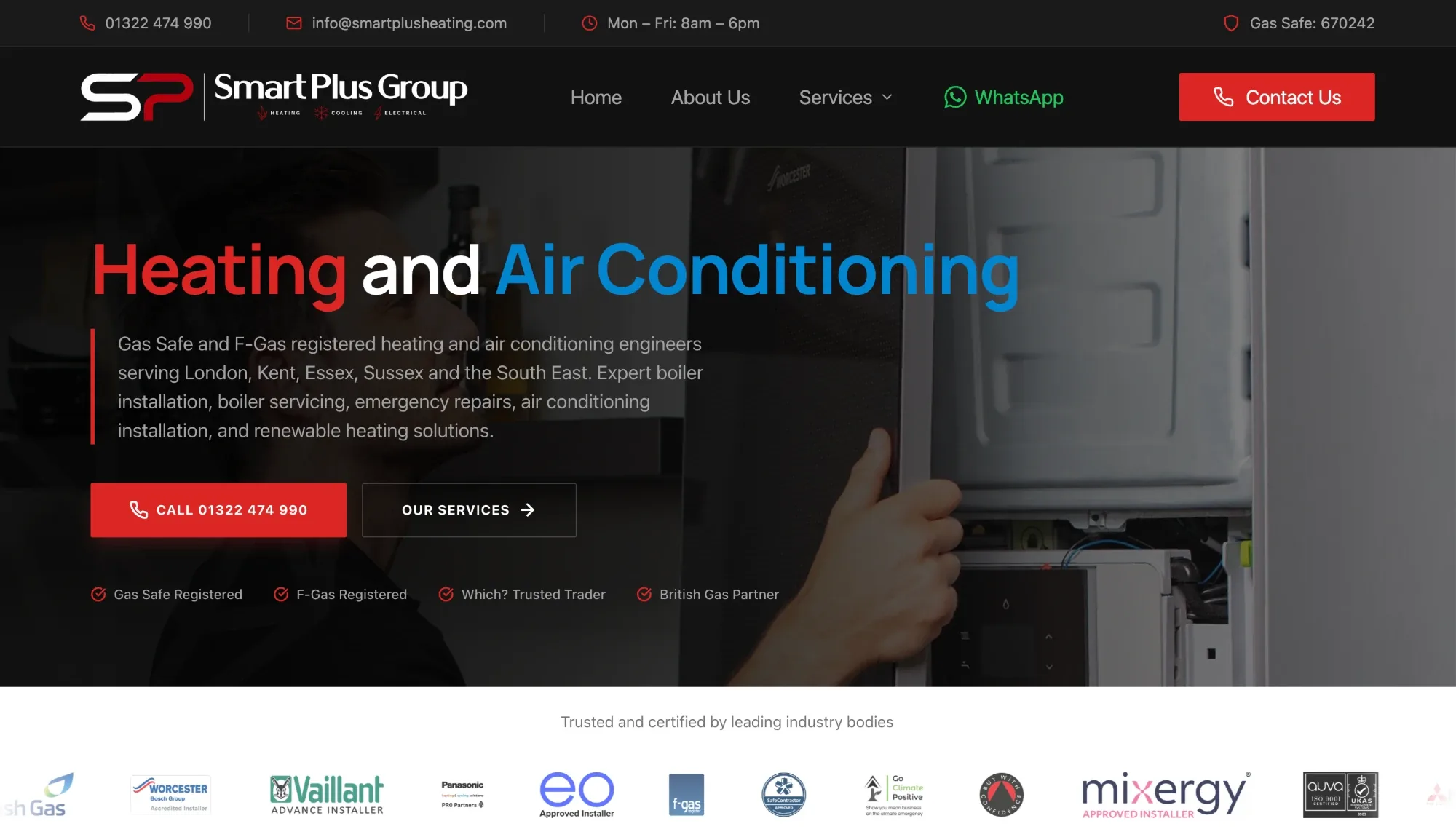 Website and local SEOHeating and air conditioning engineers across London and the South East.
Explore
Website and local SEOHeating and air conditioning engineers across London and the South East.
Explore
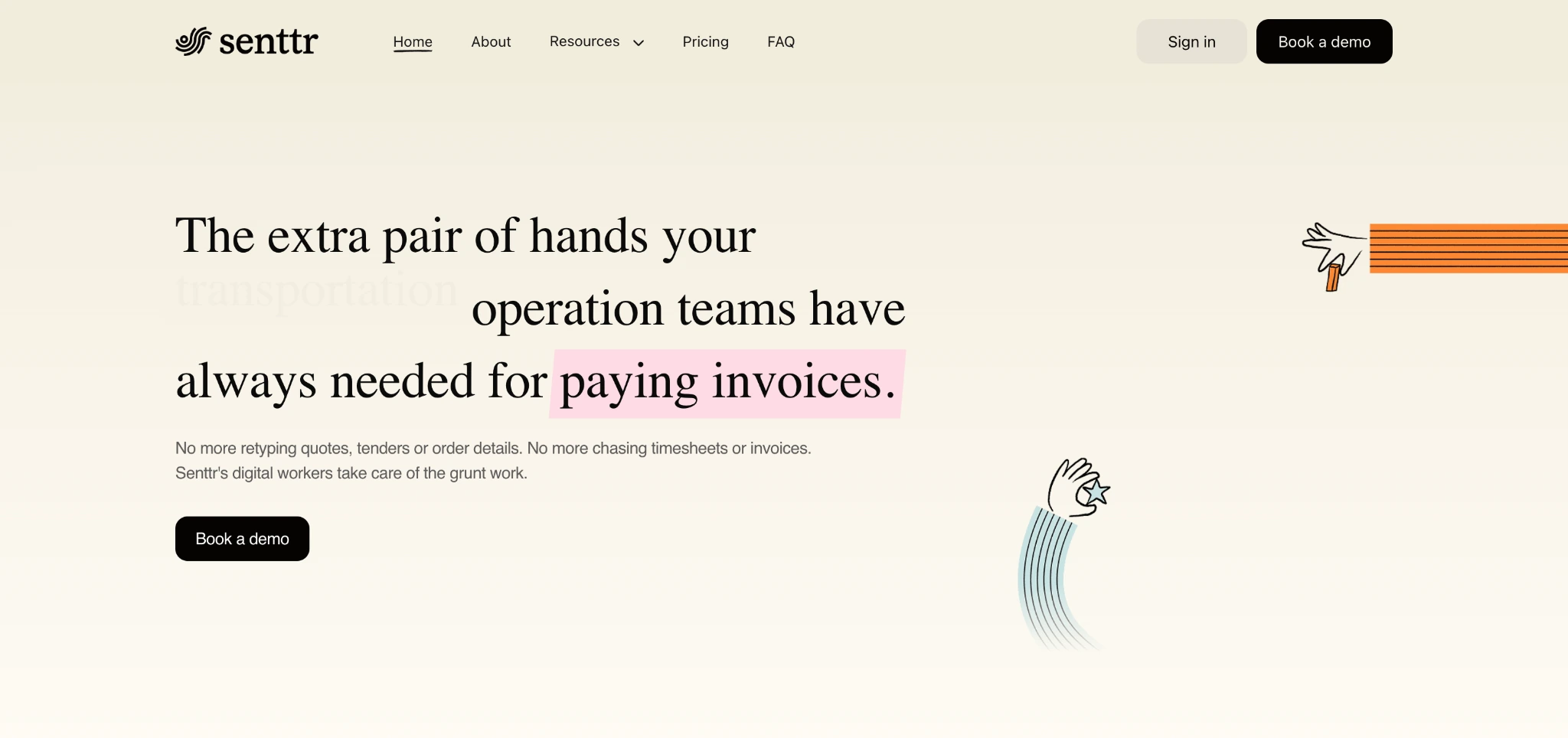 Website and product marketingDigital workers for operations teams, explained in one scroll.
Explore
Website and product marketingDigital workers for operations teams, explained in one scroll.
Explore
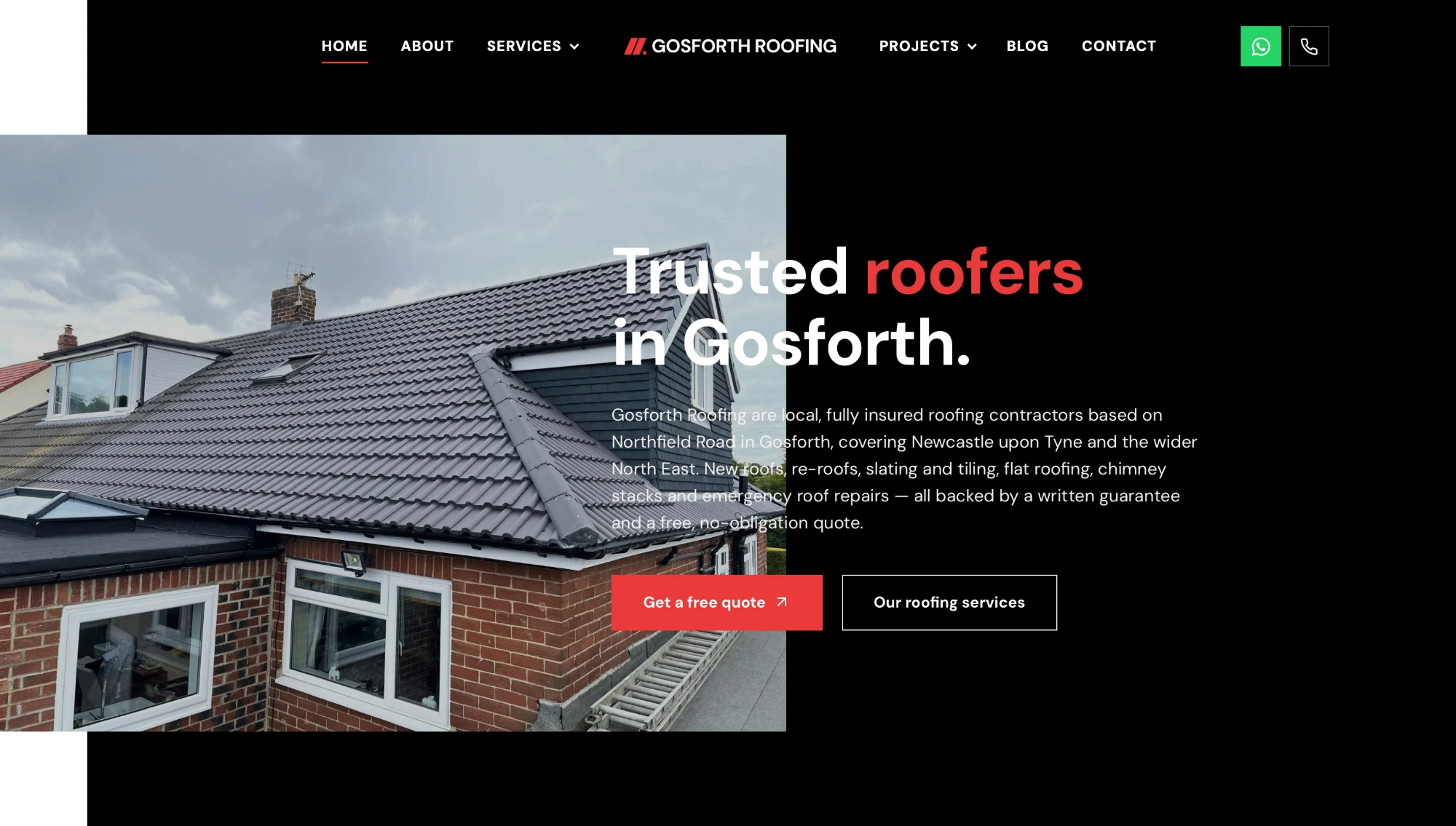 Website and local SEOTrusted roofers in Gosforth, found first on Google.
Explore
Website and brandingDriveways, patios and garden makeovers across the North East.
Launching soon
Website and local SEOTrusted roofers in Gosforth, found first on Google.
Explore
Website and brandingDriveways, patios and garden makeovers across the North East.
Launching soon
The rest of it
Email is the cheapest channel you have and the only one you own. It just can't acquire anybody on its own.
Brings people who are already looking, the highest-intent sign-ups a list ever gets.
Fills the list quickly, and email is what makes that acquisition cost pay back more than once.
The thing worth subscribing for, and the material every newsletter is cut from.
Where the sign-up form and the basket live, the two places a flow gets triggered from.
An audience you rent. Email is where you move it so an algorithm change can't take it away.
Flows, segmentation and deliverability, built once and tested against revenue.
Start here
Give us read-only access and we'll come back with where your emails are actually landing, which automations you're missing, and what the list could return, before you've committed to anything.